
Scars of Survival: How Abused Cat Snow Found Hope, Healing, and a Second Chance.3330
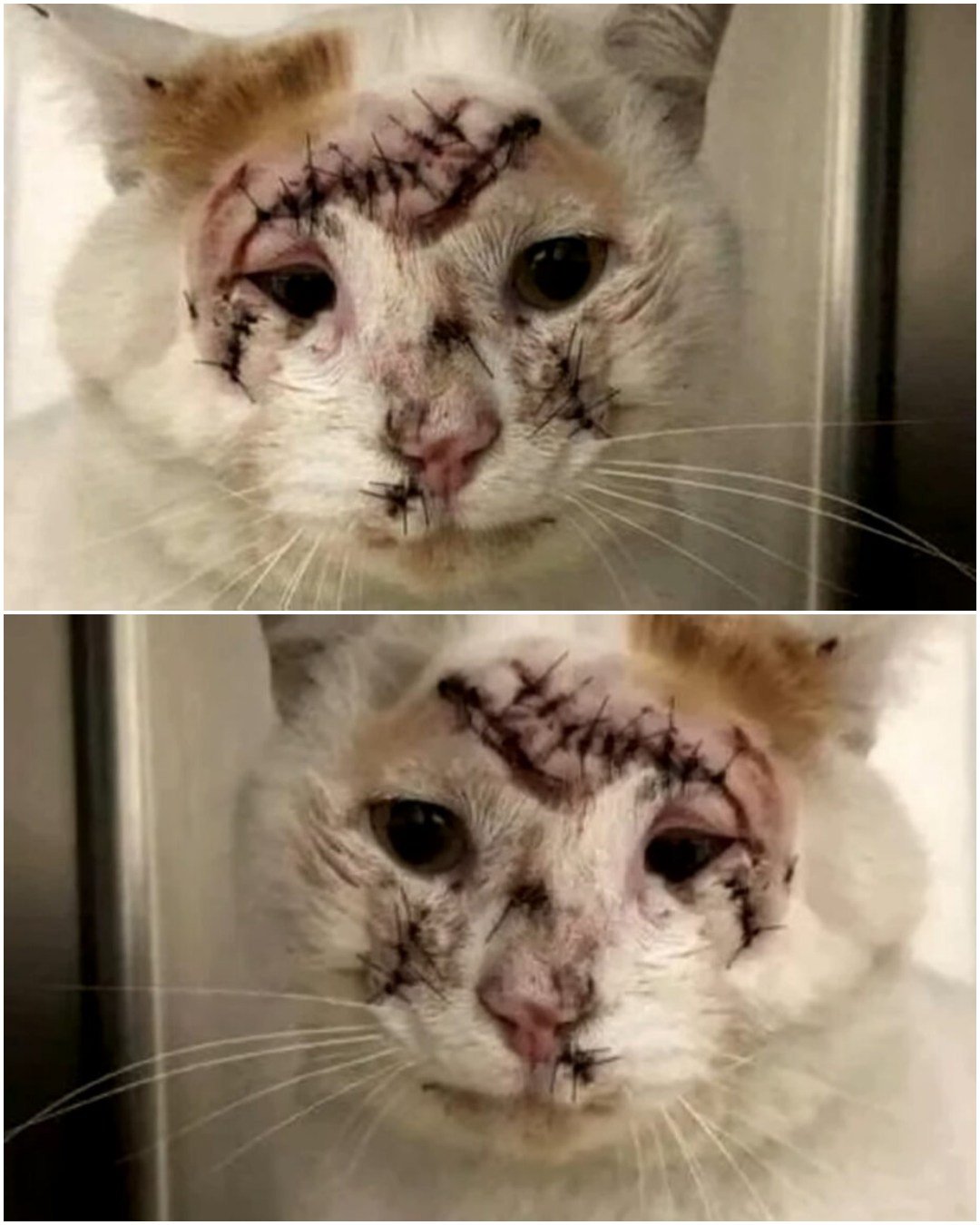
Snow’s story begins in shadows — not the gentle shadows of a cozy home, but the dark, oppressive shadows of a life marked by pain. For years, this small cat endured a level of cruelty that no creature should ever face. His owner’s hands, meant to care and nurture, were instruments of fear. Violent outbursts struck repeatedly, leaving Snow’s body battered, his fur matted with dirt and dried blood. But it was his face that told the deepest story of suffering: gashes, swelling, and the raw marks of relentless abuse etched into his features.
One day, the cruelty escalated beyond the bounds of survival. In a fit of rage, Snow’s owner struck him repeatedly in the face. The blows were so severe that his face became swollen, torn, and agonizingly painful. He tried to retreat, to hide, but there was no escape. Left with no recourse, no comfort, and no one to defend him, Snow was cast out into the streets, abandoned and bleeding, a fragile body carrying unimaginable trauma.
It was then that fate intervened. A woman walking her dog through the quiet alley noticed the trembling figure. At first, she only saw the small shape slumped against the wall, fur matted and soaked with grime, but as she drew closer, the details of Snow’s injuries became clear. Horror gripped her heart. Without a moment’s hesitation, she scooped him up, cradling him as gently as if he were the most precious thing she had ever held. His tiny body shivered against her chest, the pain of his past mingling with the uncertainty of his present.
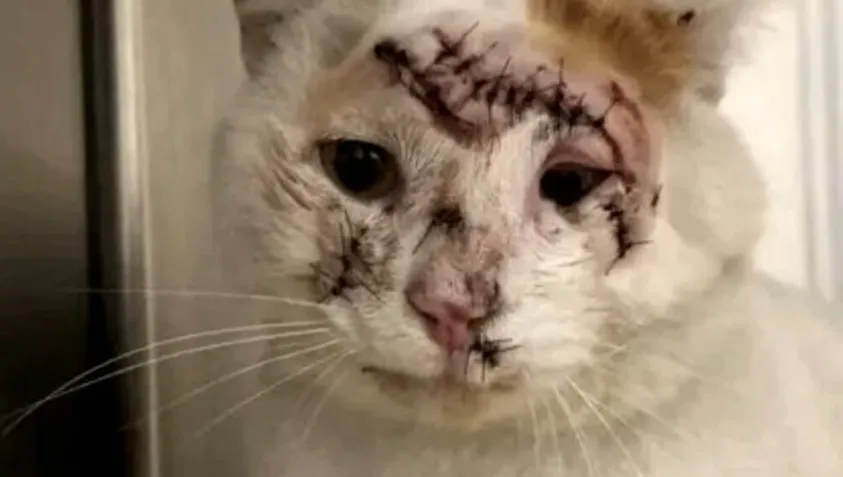
Snow was rushed to a veterinary clinic, where doctors acted quickly. The wounds on his face were severe: torn flesh, deep gashes, swelling, and infection risk. The veterinary team worked tirelessly, cleaning, stitching, and medicating every wound with meticulous care. Each stitch was a lifeline, a chance for the body to heal. Yet, as they repaired his physical form, they were acutely aware of a far deeper injury: Snow’s trust, once fragile, had been shattered completely. The emotional scars, invisible but profound, would take far longer to heal than the flesh ever could.
Days turned into weeks. Snow lay quietly at the clinic, surrounded by gentle hands and soft voices. At first, even the touch of the rescuing woman made him flinch, eyes wide with fear, muscles tense with instinctive dread. But slowly, carefully, she remained at his side, never forcing affection, never demanding trust. She spoke softly, offering reassurance, and gradually, Snow began to respond. Tiny movements — a relaxed paw, a soft nuzzle against her hand — marked the first signs of hope.
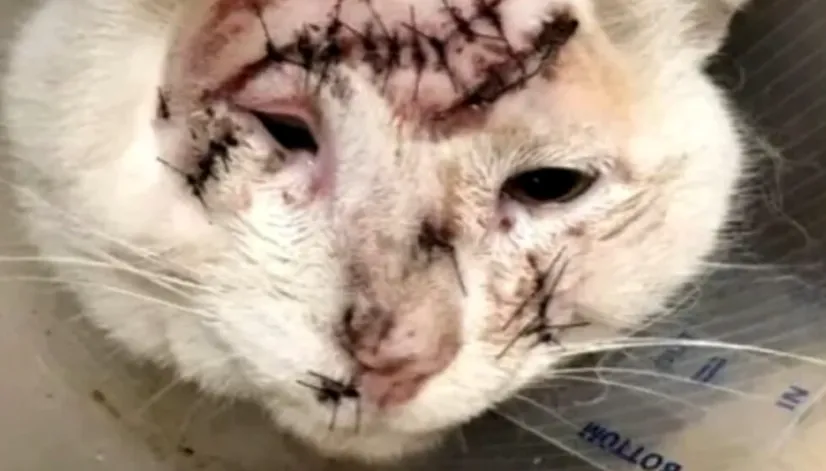
She named him Snow, inspired by the purity she could see within him, the resilient spirit that survived unimaginable hardship. His name became a symbol not just of a new identity, but of the second chance he had been granted. The scars on his face, once symbols of cruelty, slowly transformed in meaning — a testament to survival, resilience, and the endurance of life even in the face of relentless suffering.
Recovery was not instantaneous. Snow’s days were filled with careful observation, medical checkups, and slow introduction to gentle play. He learned to navigate spaces with caution, to trust the hands that had once seemed threatening, to accept affection without fear. Over time, his eyes, once clouded with suspicion and anxiety, began to shine with curiosity and wonder. Each step he took, each leap, and each playful swat of a toy was a declaration: he would live, and he would thrive.
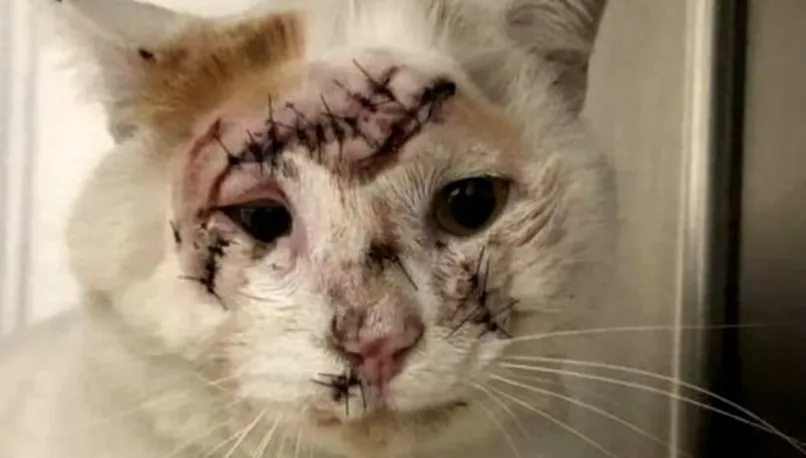
As weeks passed, Snow’s body regained strength, his fur became soft again, and his demeanor slowly shifted from cautious to confident. The woman who rescued him watched as he explored his surroundings with growing assurance, his tail held high, his head up, and his ears twitching at every sound. The once timid, broken cat had begun to embody resilience, proving that even in lives scarred by cruelty, healing and joy were possible.
Snow’s story is more than a tale of survival; it is a narrative of transformation. His journey reflects the profound impact that human compassion can have on those most vulnerable. One act — noticing him, intervening, refusing to walk away — changed the course of a life that had once seemed destined for suffering. Each stitch, each word of comfort, each gentle hand on his back was a step toward reclaiming a life stolen by violence
Today, Snow thrives in a safe, loving home, his scars a visible testament to both past suffering and present strength. Visitors who meet him are struck by the juxtaposition of his gentle, trusting nature and the battle scars he carries — reminders that resilience can emerge even from the deepest wounds. His life is a celebration of second chances, and his presence serves as a beacon for those who fight to rescue and rehabilitate animals in need.
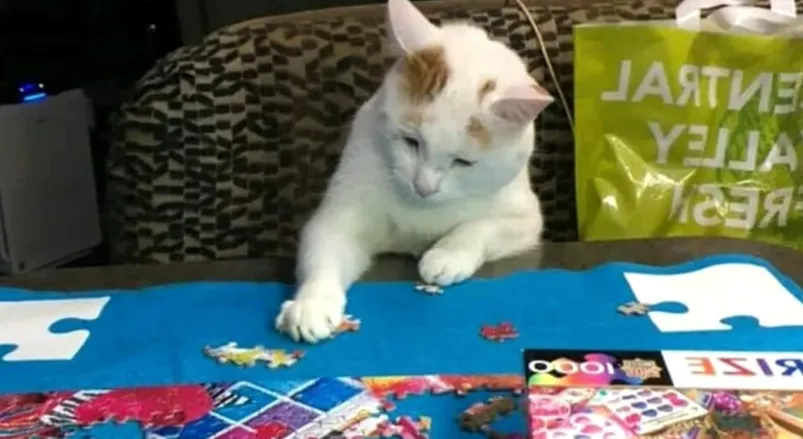
Snow’s story reminds us of the quiet power of persistence, patience, and unconditional care. It underscores the responsibility we hold toward vulnerable creatures, and the extraordinary lengths to which compassion can stretch. From the dark alley where he was abandoned, to the soft warmth of his new home, Snow’s journey embodies hope, courage, and the irreplaceable value of love.
Even though his past was defined by pain, Snow’s future is now filled with possibility. He has reclaimed a sense of safety, the freedom to explore, and the joy of companionship. His scars, though permanent, now shine as symbols of triumph over cruelty. Snow is proof that while suffering may leave marks, resilience and kindness can rewrite the story of a life.
In the end, Snow is more than a cat; he is a survivor, a testament to the power of love, and a reminder that every creature deserves a chance to heal and to experience the warmth of care and companionship. The deepest wounds may not vanish completely, but they can be transformed into reminders of courage, strength, and the enduring capacity to hope.