
Understanding U.S.–Israel–Iran Tensions Without the Headlines
For many Americans who have watched Middle Eastern developments unfold over decades, headlines can sometimes sound more dramatic than reality. While tensions between the United States, Israel, and Iran remain serious, there is currently no confirmed full-scale war between Washington and Tehran.
Despite periodic escalations, there has been no declared joint invasion or nationwide bombing campaign inside Iran by U.S. and Israeli forces. Distinguishing verified facts from speculation is essential in today’s fast-moving news environment.
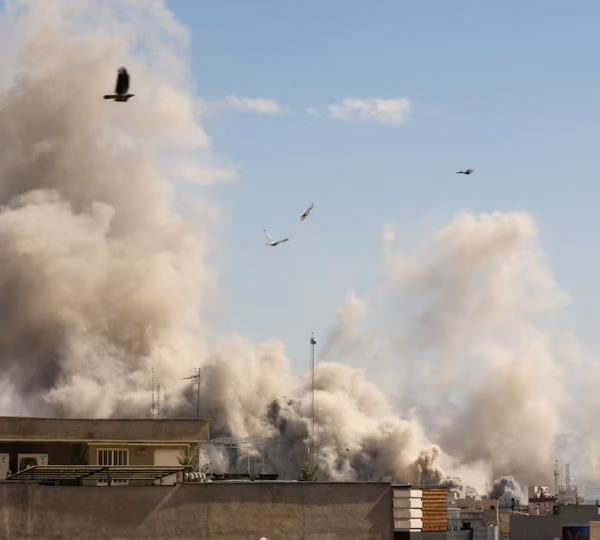
Modern friction between the U.S. and Iran dates back to the 1979 Iranian Revolution, when diplomatic ties were severed after the U.S. Embassy hostage crisis in Tehran. Since then, sanctions, political rivalry, and strategic disagreements have defined the relationship. Israel’s concerns have largely centered on Iran’s regional influence and missile capabilities, while Iranian leaders have frequently criticized Israeli government policies. These long-standing disputes form the backdrop to today’s tensions.
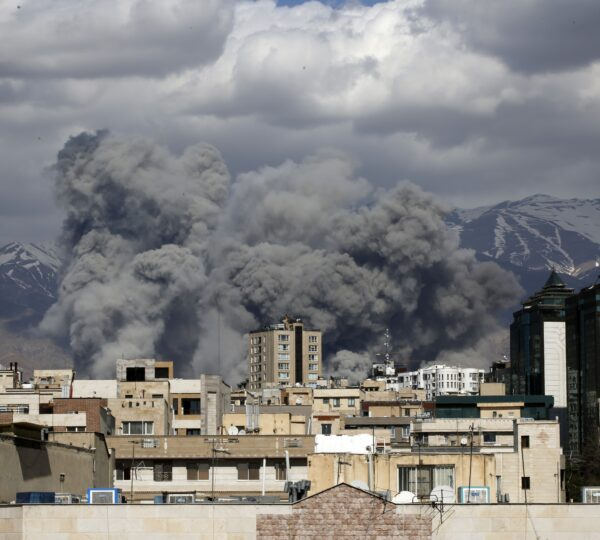
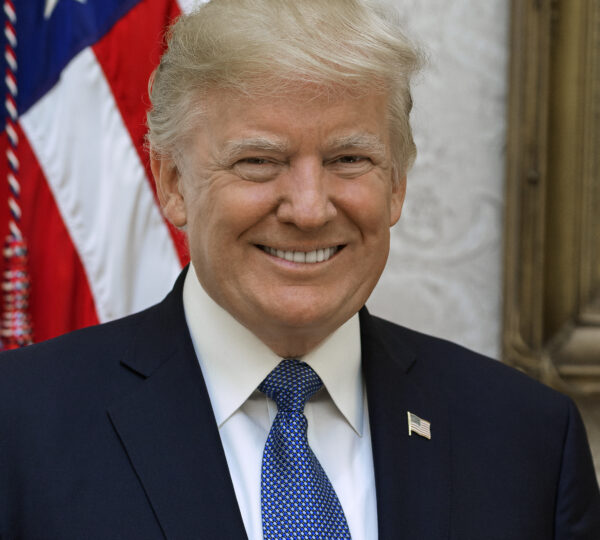
A central issue remains Iran’s nuclear program. In 2015, Iran and several world powers signed the Joint Comprehensive Plan of Action (JCPOA), negotiated during the administration of Barack Obama. The agreement placed limits on Iran’s nuclear activities in exchange for sanctions relief. In 2018, under Donald Trump, the United States withdrew from the deal, arguing it did not sufficiently address long-term risks. Since then, diplomatic efforts have continued intermittently, while the International Atomic Energy Agency monitors aspects of Iran’s nuclear program.
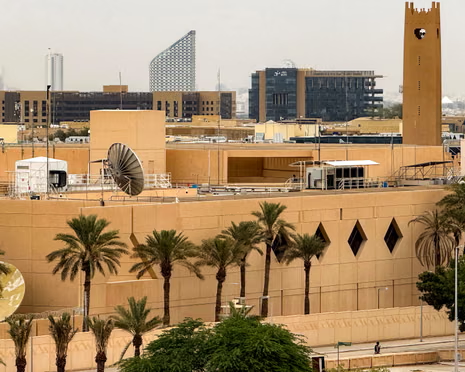
Although there have been Israeli airstrikes targeting Iranian-linked positions in Syria and limited U.S. retaliatory strikes in Iraq and Syria, these incidents fall below the level of declared interstate war. Analysts often describe the situation as a “shadow conflict,” involving intelligence activity, cyber operations, and calibrated military responses rather than open warfare. U.S. forces remain stationed at bases across the Gulf region for deterrence and regional security, but no broad regional war has been confirmed.
Experts caution that miscalculation is always a risk in a region where military forces operate in close proximity. However, as of the most recent verified reporting, Iran’s Supreme Leader Ali Khamenei remains alive, and there is no confirmed military operation named “Operation Epic Fury.” The current reality reflects strategic rivalry and regional competition — not declared war. For readers, especially those who have seen decades of shifting Middle East dynamics, careful attention to reliable sources remains the best guide to understanding events clearly and calmly.