
Hillary Clinton Testifies Before House Oversight Committee: What It Means
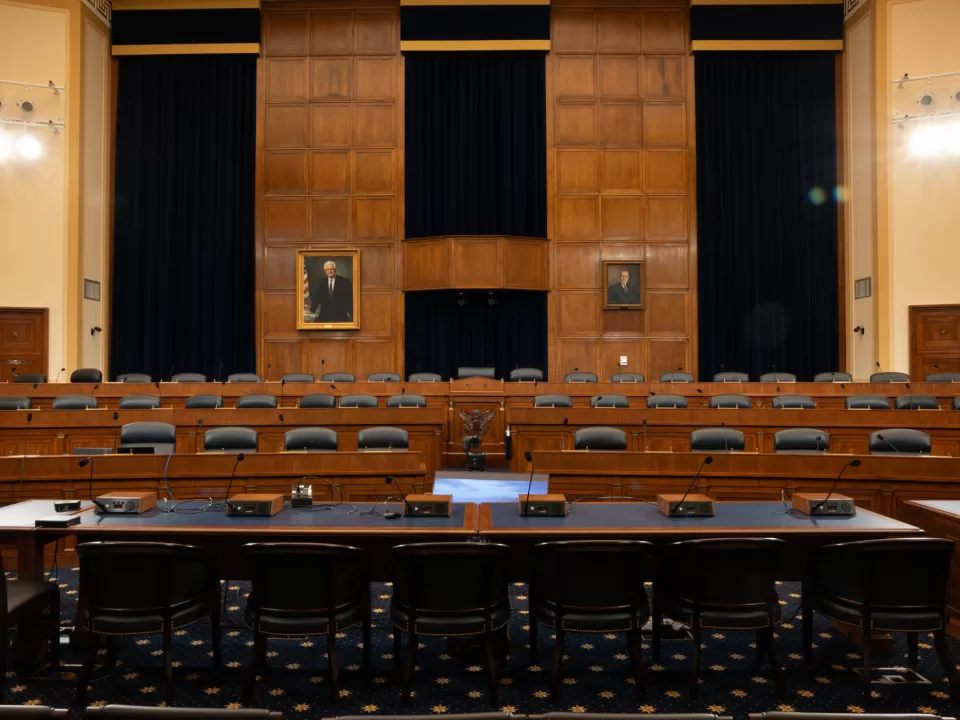
Former Secretary of State Hillary Clinton recently appeared for a closed-door deposition before the U.S. House Committee on Oversight and Accountability as part of its broader review connected to the crimes of convicted sex offender Jeffrey Epstein.
Lawmakers say their inquiry focuses on institutional accountability and understanding how Epstein was able to maintain influential connections for years before facing federal charges. Clinton has not been accused of wrongdoing related to Epstein, and there is no public record of criminal charges against her in connection with the case.
The committee, chaired by Representative James Comer, has described the review as part of Congress’s responsibility to ensure transparency and oversight. Congressional committees often conduct private, transcribed depositions when questions may involve sensitive or legally protected information. Such sessions are a standard investigative tool used by both parties over many years.

Ahead of her testimony, Clinton expressed that she would prefer a public hearing format, saying open proceedings allow Americans to see full context and reduce the possibility of selective leaks. During her deposition, she stated that she does not recall having a relationship with Epstein, traveling on his aircraft, or having knowledge of his criminal behavior. Public reporting has not produced verified evidence linking her to his crimes.
Some Republican committee members said Clinton frequently used phrases such as “not that I recall” in her responses. Legal experts note that such language is common in sworn testimony, especially when events under discussion occurred many years ago. Witnesses are generally advised to avoid speculation and answer only what they clearly remember. While critics say repeated qualifiers can sound evasive, supporters argue that careful wording reflects responsible testimony under oath.
At the heart of the public discussion is a broader issue: trust and transparency in high-profile investigations. Epstein’s crimes and his death in custody left many Americans seeking clear answers about institutional failures and accountability. As Congress considers whether to release transcripts of the deposition, many citizens say they simply want facts presented in full context. In the end, the principles of due process, fairness, and protection for victims remain central to the national conversation.