
Cold Urticaria: Symptoms And Treatment
Cold urticaria is a rare skin condition where exposure to cold temperatures — like cold air, water, or objects — triggers an allergic-type reaction. People with this condition develop itchy welts or hives on the skin soon after cold exposure, usually within minutes, as the immune system responds to the temperature change.
🧬 Causes and Risk Factors
Doctors don’t fully understand why cold urticaria happens, but it is the most common type of physical urticaria (hives). In most cases, it is not inherited, though a familial form linked to a chromosome has been identified. It has also been associated with certain infections and blood conditions. When the skin is cooled, immune cells may release histamine and other chemicals that cause the characteristic rash.
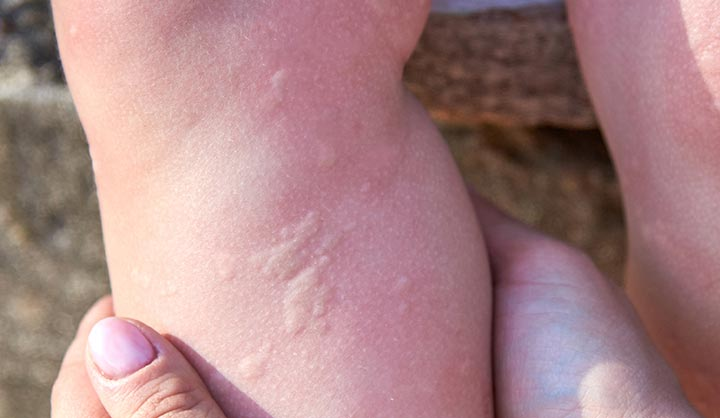
🌡️ Common Symptoms
People with cold urticaria typically see:
- Red, raised, itchy welts (hives) on skin exposed to cold
- Burning or stinging sensations as the area warms
- Swelling of hands or lips after holding cold items
- In rare cases, more serious reactions like fainting, rapid heartbeat, or difficulty breathing if a large area of skin is affected — especially during cold water immersion.
💊 Diagnosis and Treatment
Diagnosis often involves a doctor applying an ice cube to the skin for a few minutes to see if a hive forms as the skin warms again. Treatment focuses on preventing symptoms and reducing severity. Over-the-counter antihistamines may help block histamine release and relieve mild reactions, and doctors may recommend stronger medications if needed. Avoiding cold exposure — especially cold water or weather — is an important preventive step.
📌 Important Notes
Cold urticaria can vary in severity. Mild cases may come and go on their own, while others require ongoing management. If cold exposure triggers widespread hives or systemic symptoms like trouble breathing, seek medical advice promptly. Always consult a healthcare professional for personalized diagnosis and treatment recommendations.