
Trump’s Remark on Karoline Leavitt Prompts Response
At just 28 years old, Karoline Leavitt has emerged as one of the youngest individuals to serve as White House press secretary in modern political history. Tasked with navigating daily press briefings, crisis communications, and the relentless spotlight of national media, Leavitt has built a reputation for poise and strategic messaging.
However, during a December 9 rally in Mount Pocono, Pennsylvania, attention shifted from her professional performance to comments made by former President Donald Trump that many critics labeled inappropriate.
While introducing Leavitt as a “superstar” at the rally, Trump praised her television appearances but also made repeated references to her physical appearance, including her face and lips. The remarks quickly circulated across social media platforms, sparking intense public debate. Supporters argued the comments were meant as compliments delivered in Trump’s signature informal style. Critics, however, described them as unprofessional and reflective of broader concerns about how women in politics are discussed in public forums.
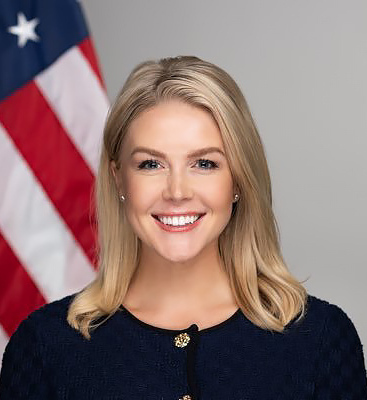
The controversy gained further traction because it was not an isolated incident. Observers noted that Trump had previously made similar public remarks referencing Leavitt’s appearance during other events, including interviews and press interactions. This pattern fueled discussions about gender dynamics, workplace professionalism, and the impact of repeated appearance-focused commentary on women in high-level government roles. Many commentators emphasized that focusing on physical traits risks overshadowing professional accomplishments.
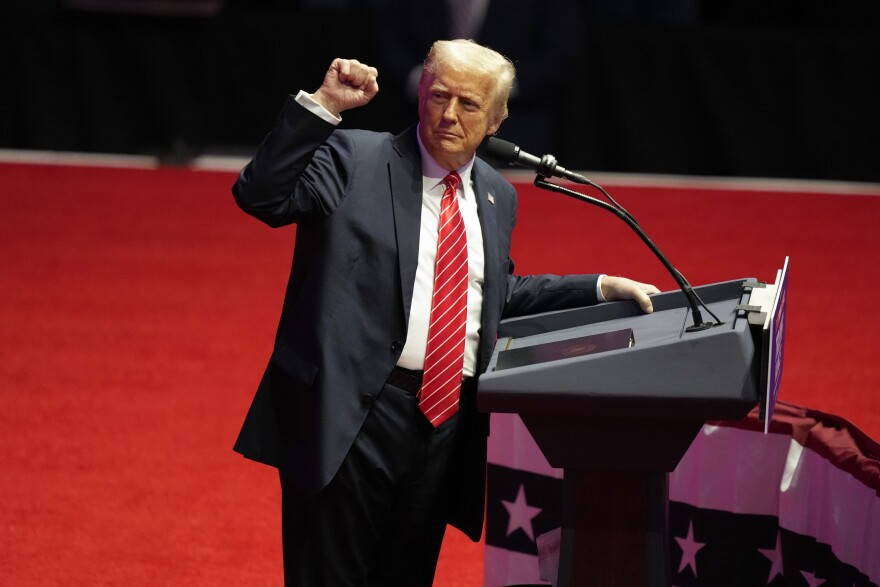
Despite the controversy, Leavitt has not publicly addressed the remarks directly. Instead, she has continued to focus on her responsibilities, sharing updates about policy initiatives, media engagements, and official events. Her approach reflects a broader strategy of maintaining professional composure amid public scrutiny. In a role historically defined by high pressure and constant evaluation, Leavitt’s ability to stay on message has reinforced her standing within the administration.
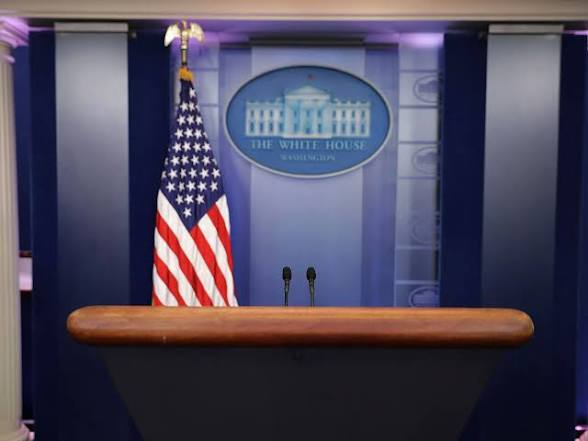
The incident has sparked wider conversations about leadership, communication standards, and respect in professional settings. As debates continue over intent versus impact, Leavitt’s experience highlights the complex intersection of youth, gender, and authority in American politics. Ultimately, her continued focus on performance rather than controversy underscores a central truth in public service: credibility is built through consistency, professionalism, and resilience — even when public commentary attempts to shift the narrative.