
From Trials to Triumph: Becoming a Beacon of Hope
On August 18, 1952, in Houston, Texas, Patrick Swayze was born into a modest but determined household. His father, Jesse Wayne Swayze, worked as a draftsman, while his mother, Patsy Swayze, was a choreographer and founder of the Houston Jazz Ballet Company.
From an early age, it was clear Patrick possessed unusual energy, focus, and intensity. Under his mother’s guidance, he spent countless hours in dance studios instead of playgrounds, absorbing discipline, artistry, and performance skills that would later define his career.
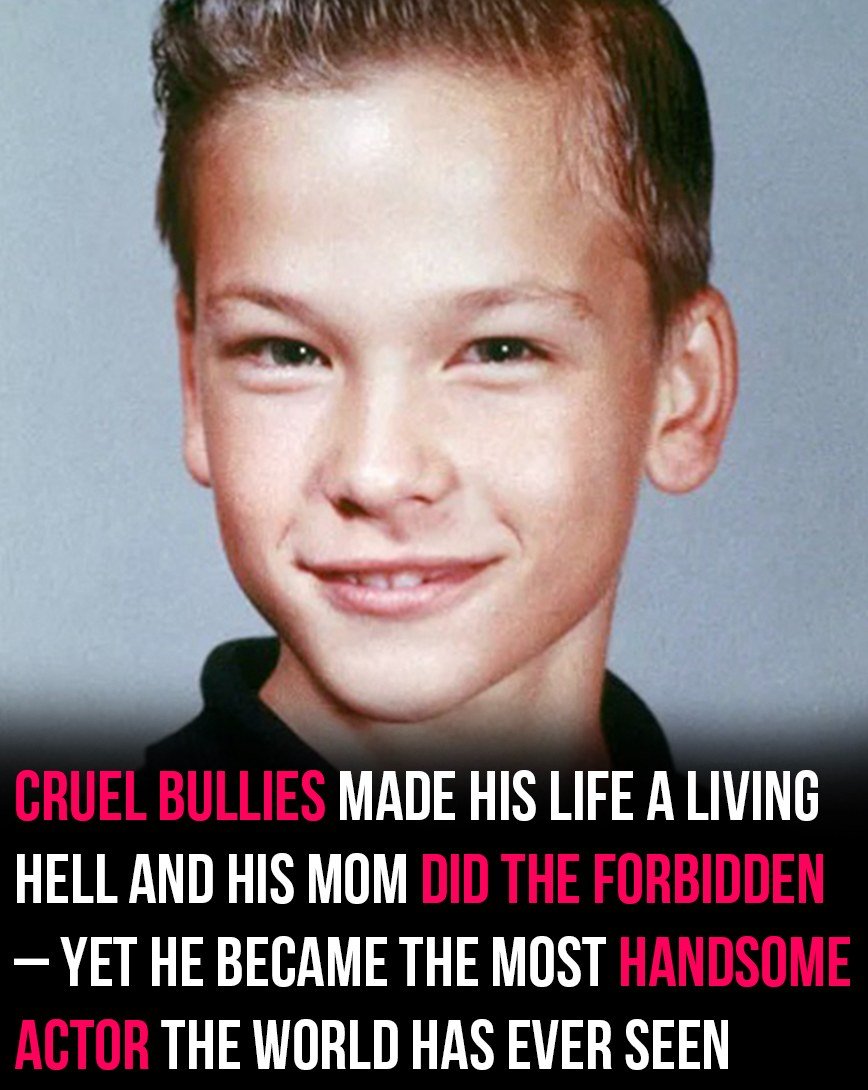
Patrick was not only a dancer — he was an athlete, musician, and performer. He played football and baseball, swam, skated, studied gymnastics, played violin, sang in choir, and took leading roles in school plays. Yet his love for dance and music made him a target for bullying. Classmates mocked him for pursuing what they considered “girly” interests. The teasing sometimes turned physical, leaving him bruised but not broken. Encouraged by his parents to stand his ground, Patrick developed a resilience that would shape the rest of his life. Those early battles taught him confidence, dignity, and inner strength.
By age 20, he moved to New York City to train professionally at the prestigious Harkness Ballet and Joffrey Ballet schools. A promising football future was cut short by a serious knee injury, but what seemed like a setback became a turning point. Freed from athletics, he poured his full focus into dance and performance. In the early 1980s, he transitioned into acting, bringing the same physical discipline and emotional intensity to the screen. After appearing in The Outsiders (1983), alongside future Hollywood stars, his career steadily rose. Films like Red Dawn and Youngblood followed — but it was Dirty Dancing (1987) that made him a global icon. As Johnny Castle, Swayze combined strength, vulnerability, and charisma in a way few actors could.
Behind the fame, however, Patrick’s life held deep personal struggles. He experienced heartbreaking losses, including the death of his father and later his sister Vicky. He and his wife, Lisa Niemi — whom he met as a teenager in a dance class — endured the pain of miscarriage and were never able to have children, something he carried as a quiet sorrow. The pressures of fame also led him to battle alcohol use, which he later openly acknowledged. Through it all, Patrick remained committed to growth, love, and resilience.
In 2008, he was diagnosed with pancreatic cancer. True to his character, he faced the illness with remarkable courage and honesty, continuing to work as long as he could. On September 14, 2009, Patrick Swayze passed away at the age of 57. His legacy endures not only in unforgettable films like Dirty Dancing and Ghost, but in the example he set — embracing passion despite ridicule, standing strong in the face of adversity, and living with authenticity. From a determined Houston boy to a beloved Hollywood legend, Patrick Swayze’s life remains a powerful story of talent, perseverance, and heart.