

When Your Face Is Trying to Tell You Something: 4 Warning Signs You Shouldn’t Ignore
The human face does more than express emotions — it can quietly reflect what is happening deep inside the body. While many facial changes are harmless and linked to aging, stress, poor sleep, or diet, some visible alterations may signal something more serious.
Too often, these signs are dismissed as cosmetic concerns. But in certain cases, they can serve as early warnings of underlying medical conditions that require attention.
It’s important to remember that facial changes alone do not confirm a diagnosis. However, when symptoms persist, worsen, or appear alongside other unusual changes in your body, they should never be ignored.
Below are four facial changes that may point to undiagnosed health issues — and what they could mean.
1. Eyebrow Thinning
Gradual eyebrow thinning can happen with age or over-plucking. But when hair loss occurs suddenly, symmetrically, or without a clear cause, it may signal an internal imbalance.
One of the most recognized medical causes is hypothyroidism, a condition where the thyroid gland does not produce enough hormones. The thyroid controls metabolism, energy, and even hair growth. When hormone levels drop, hair follicles may stop functioning properly, leading to thinning hair — especially on the outer third of the eyebrows.
Other signs of hypothyroidism may include:
- Persistent fatigue
- Weight gain
- Sensitivity to cold
- Dry skin
- Depression
- Slow heart rate
Another possible cause is atopic dermatitis (eczema). Chronic inflammation and scratching around the brows can damage hair follicles over time.
Nutritional deficiencies, hormonal shifts (such as menopause), autoimmune disorders like alopecia areata, and chronic stress can also contribute.
If eyebrow thinning is unexplained or paired with other symptoms, a medical evaluation is worth considering.
2. Severe Acne and Unusual Facial Hair Growth
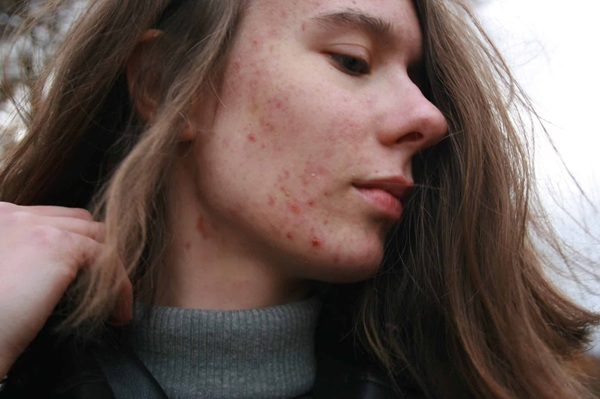
Acne is common — but severe, painful acne that appears suddenly in adulthood can be a red flag. When it’s combined with unusual facial hair growth in women, the cause may be hormonal.
One common underlying condition is Polycystic Ovary Syndrome (PCOS). PCOS causes elevated androgen (male hormone) levels, which can lead to:
- Persistent jawline or chin acne
- Excess facial or body hair (hirsutism)
- Irregular menstrual cycles
- Difficulty with ovulation
- Weight gain
Hormonal imbalances stimulate excess oil production, clog pores, and create inflammation that often doesn’t respond to typical over-the-counter treatments.
In rare cases, similar symptoms may be linked to adrenal disorders or Cushing’s syndrome.
When acne is severe, resistant to treatment, or accompanied by other hormonal changes, medical guidance is essential. Early diagnosis can reduce the risk of long-term complications like type 2 diabetes or heart disease.
3. Red Rashes or Persistent Facial Bumps
A facial rash may seem minor at first — but certain patterns should raise concern, especially if they’re chronic or accompanied by fatigue or joint pain.
Autoimmune diseases sometimes reveal themselves on the skin.
For example, lupus may cause a butterfly-shaped rash across the cheeks and nose. This rash often worsens with sun exposure and may occur alongside:
- Joint pain
- Fever
- Extreme fatigue
Another condition, celiac disease, can trigger a skin reaction called dermatitis herpetiformis — itchy red bumps or blisters caused by gluten sensitivity.
Chronic digestive inflammation, food intolerances, or inflammatory bowel disease may also manifest as recurring skin irritation.
Because facial rashes can stem from allergies, infections, rosacea, or autoimmune disease, self-diagnosis can be risky. A professional evaluation helps determine whether the issue is skin-deep — or something more systemic.
4. Dark Circles or Unusual Under-Eye Discoloration
Dark circles are extremely common and often harmless. Lack of sleep, dehydration, allergies, and genetics are typical causes.
But sudden, persistent, or unusual discoloration — especially purple or red patches — may indicate something more serious.
In rare cases, a purplish rash around the eyes can signal dermatomyositis, an autoimmune condition affecting muscles and skin. This may also involve:
- Muscle weakness
- Difficulty climbing stairs
- Fatigue
- Muscle pain
More commonly, under-eye darkness may be linked to:
- Iron deficiency anemia
- Chronic sinus issues
- Allergies
- Thinning skin with age
A healthcare provider can help determine whether the issue is cosmetic or medical.
Why These Signs Matter
Your face can act as an early warning system.
While many changes are harmless, persistent or unexplained symptoms deserve attention. Early medical evaluation can prevent complications and lead to more effective treatment.
The key is balance — staying aware without becoming anxious.
Listening to your body — and your face — may protect your long-term health.
Final Thoughts
Eyebrow thinning. Severe acne with unusual hair growth. Unexplained rashes. Sudden under-eye discoloration.
These changes may seem small at first, but they can sometimes reflect deeper health issues.
If you notice ongoing facial changes that don’t resolve on their own, consider scheduling a medical consultation. Early attention can make a meaningful difference.
Your face might be trying to tell you something — and paying attention could be one of the most important health decisions you make.