

Trump Criticizes Michigan Autoworker in Unexpected Exchange
Not everyone in the United States—or around the world—views Donald Trump in the same way. Throughout his political career, the former and current president has remained one of the most polarizing figures in modern American history.
His outspoken style, confrontational language, and willingness to challenge critics have earned him fierce loyalty from supporters and equally strong opposition from critics.
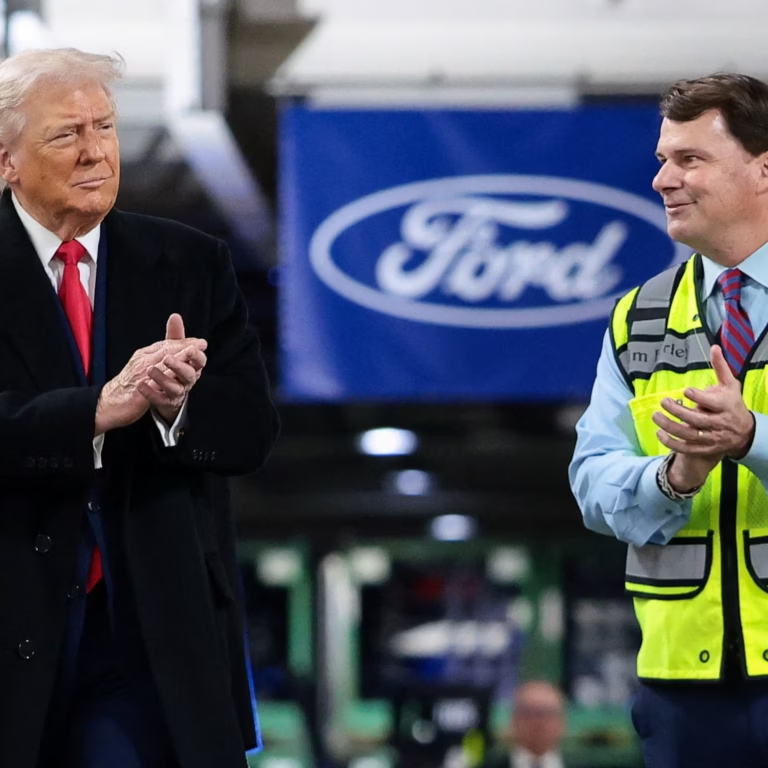
That divide was once again on display during a recent visit to Ford’s River Rouge manufacturing complex in Dearborn, Michigan, where an unexpected confrontation between Trump and a heckler quickly became national news.
What Happened at the Ford Plant
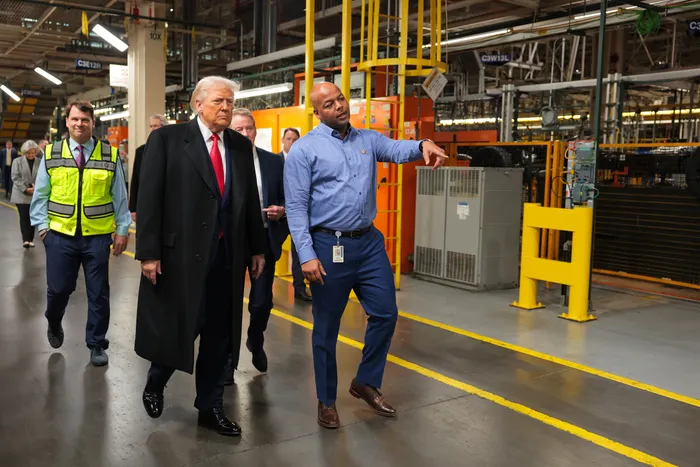
Trump’s visit was intended to spotlight American manufacturing and highlight policies aimed at strengthening domestic industry. Wearing a dark overcoat, he toured the historic facility and addressed workers at the iconic plant—long considered a symbol of America’s industrial strength.
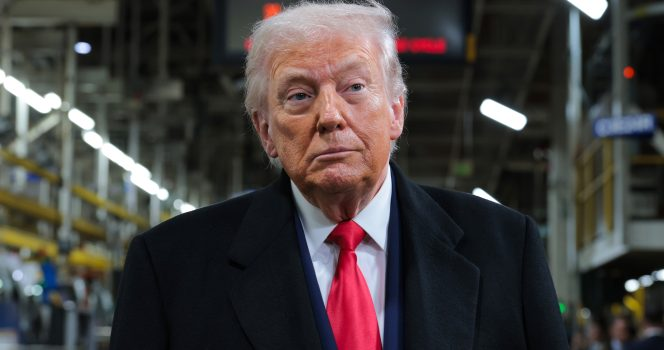
However, the atmosphere shifted when a voice from the crowd shouted an inflammatory accusation toward the president. According to multiple reports and video footage, the remark referenced Trump’s past associations with the late financier Jeffrey Epstein, a figure whose crimes and connections continue to generate public scrutiny.
Witnesses described Trump’s reaction as immediate and emotional. Video clips show him gesturing toward the individual, mouthing profanities, and briefly appearing to say “you’re fired,” a phrase familiar from his television career. The moment ended quickly, but not quietly.
A Moment That Traveled Fast Online
Within hours, video of the exchange spread widely across social media and cable news outlets. Commentators on all sides weighed in, interpreting the same footage in very different ways.
Supporters argued that Trump was responding to a personal and offensive provocation, remaining true to his direct and unfiltered style. Critics, however, viewed the language and gestures as inappropriate for a president, particularly in a professional workplace environment.
Official Responses from the White House and Ford
The White House defended Trump’s reaction. Spokesperson Steven Cheung described the heckler as highly agitated and said the president’s response was firm but controlled, intended to shut down disruption rather than escalate it.
Ford Motor Company issued a separate statement emphasizing that while the company respects free expression, it expects professionalism inside its facilities. The automaker did not comment on political matters, noting only that it has internal processes to handle disruptions.
Epstein Files Add to the Tension
The incident occurred amid renewed public attention on the Jeffrey Epstein case and the slow release of related Justice Department documents. Federal law required these files to be released by mid-December, yet only a small fraction has been made public so far—and much of that heavily redacted.
Lawmakers from both parties, including Representative Ro Khanna and Representative Thomas Massie, have urged the courts to compel full disclosure. Attorney General Pam Bondi has stated that delays are due to the need to protect victims’ identities, highlighting the legal and ethical challenges involved.
Trump’s past social connection to Epstein—documented through photographs and public appearances—continues to fuel debate. Trump has repeatedly dismissed related accusations as exaggerated, while critics argue that transparency remains incomplete.
Why Reactions Are So Divided
Political analysts say the Dearborn incident reflects a broader truth about Trump’s leadership style. To supporters, his willingness to confront critics directly signals authenticity and strength. To opponents, the same behavior raises concerns about temperament and civility.
This contrast is especially familiar to older Americans who have witnessed decades of political change. Presidents have always faced hecklers and controversy—but today’s digital environment amplifies every gesture and word instantly.
A Symbol of Today’s Political Climate
The setting of the incident adds another layer of meaning. Ford’s River Rouge complex represents American labor, industry, and history. A public clash in such a space underscores how closely politics, culture, and economic identity are intertwined.
For some workers present, the confrontation felt uncomfortable. Others saw it as an understandable response to provocation. The mixed reactions mirror the broader national mood—deeply divided, emotionally charged, and shaped by media interpretation.
Looking Ahead
As debate over the Epstein files continues and political tensions remain high, the Dearborn incident is likely to be revisited frequently. Whether viewed as justified or inappropriate, it highlights the challenges modern leaders face when navigating public criticism in real time.
For many Americans—especially those who value perspective and measured judgment—the episode serves as a reminder that leadership today unfolds under constant scrutiny. Facts, context, and restraint remain essential tools for understanding events beyond the headlines.