

The Hidden Downsides of Eye Makeup: What We Rarely Talk About
Eye makeup has long been associated with beauty, self-expression, and confidence. From subtle mascara to dramatic smoky eyes, cosmetics allow people to enhance their features and experiment with style. However, behind the glamour lies a less discussed reality:
eye makeup can have negative effects on both short-term comfort and long-term eye health.
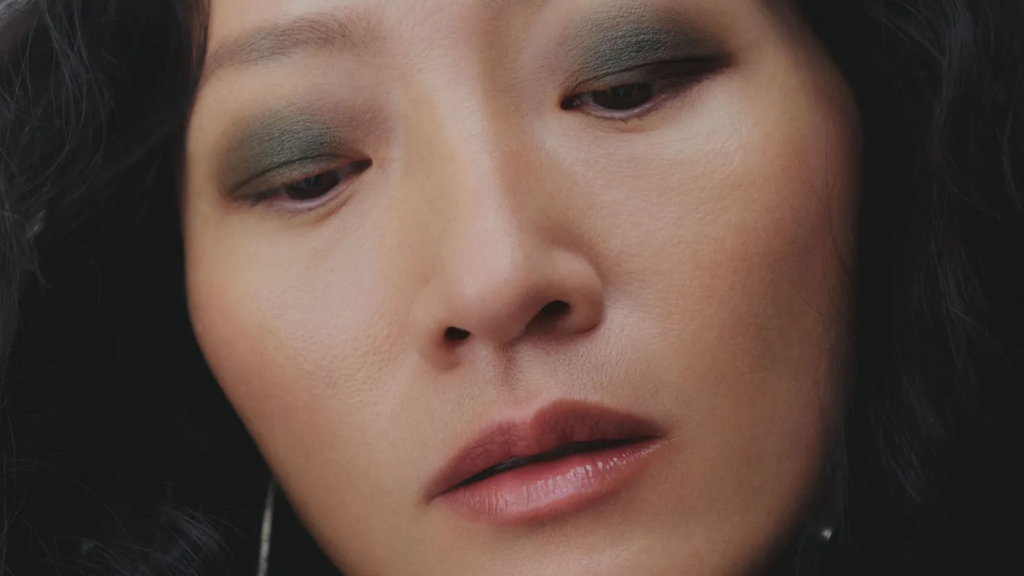
One of the most immediate concerns is irritation. The skin around the eyes is extremely thin and sensitive. Products such as eyeliner, mascara, and eyeshadow often contain pigments, preservatives, and fragrances that may trigger allergic reactions. Redness, itching, watery eyes, or a burning sensation are common signs that the body is reacting negatively. Even products labeled “hypoallergenic” are not entirely risk-free, as individual sensitivities vary greatly.
Another important issue is the risk of infection. The eye area is vulnerable to bacteria, and makeup tools can easily become contaminated. Mascara wands, eyeliner pencils, and eyeshadow brushes accumulate microorganisms over time, especially if they are stored improperly or used past their expiration date. Sharing eye makeup significantly increases the likelihood of spreading conjunctivitis (pink eye) and other infections. Furthermore, applying eyeliner too close to the inner eyelid margin can block the meibomian glands, which are responsible for producing oils that keep the eyes lubricated. This blockage may contribute to dry eye syndrome, a condition characterized by discomfort, blurred vision, and chronic irritation.
Long-term use of eye makeup can also affect the natural balance of the tear film. Tiny particles from eyeshadow or mascara can enter the eye and destabilize the tear layer, leading to increased dryness and sensitivity. For contact lens wearers, this problem can be even more pronounced. Makeup debris may adhere to lenses, reducing clarity and increasing discomfort. Over time, repeated irritation can make the eyes more reactive and prone to inflammation.
There are also concerns related to ingredient safety. Some darker pigments used in eye cosmetics have historically contained trace amounts of heavy metals such as lead or nickel. While regulations in many countries limit these substances, low-level exposure over many years remains a topic of scientific discussion. Waterproof formulas, though convenient, often require strong removers. Frequent use of harsh cleansing products can weaken eyelashes and damage the delicate skin around the eyes, accelerating signs of aging such as fine lines and loss of elasticity.

Another overlooked downside is behavioral. Many people admit to occasionally sleeping in their makeup due to fatigue or convenience. This habit significantly increases the risk of clogged follicles along the lash line, leading to styes—painful, swollen lumps caused by bacterial infection. Incomplete removal also prevents the skin from properly renewing itself overnight.
It is important to emphasize that eye makeup is not inherently harmful. When chosen carefully, applied hygienically, and removed thoroughly, it can be used safely by most individuals. The key lies in moderation, awareness, and proper hygiene. Replacing products regularly, cleaning brushes frequently, avoiding sharing cosmetics, and giving the eyes makeup-free days can reduce many of the risks described above.
Beauty should never come at the cost of health. Understanding the potential downsides of eye makeup allows individuals to make informed choices—balancing aesthetic expression with responsible self-care.