

Sad Update on Senator Mitch McConnell
Veteran U.S. Senator Mitch McConnell, 83, has faced a series of health setbacks in recent years that have raised concern among colleagues, constituents, and observers about his wellbeing and his future in public life. McConnell — who became the
longest-serving Senate party leader in American history — announced in February 2025 that he will not seek reelection in 2026, marking the beginning of the end of a remarkable, decades-long career in Congress.
In early 2026, McConnell was hospitalized after experiencing flu-like symptoms, prompting a cautious medical evaluation. A spokesperson said his condition was positive and that he was grateful for the care he received, but the episode added to mounting concern about his health as he continues to fulfill his duties during the final year of his Senate term.
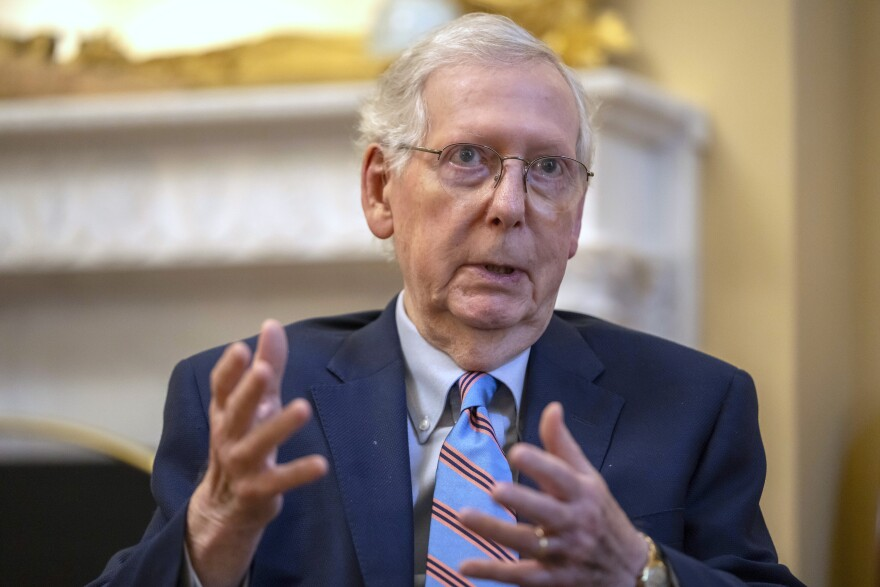
The hospitalization came after several public incidents in which McConnell appeared unsteady or suffered falls, including a moment in October 2025 when he tripped in the Capitol hallway and had to be assisted. Similar episodes in recent years — including times when he briefly froze during public remarks — have prompted speculation about the strain age and public service can place on even the most experienced leaders.
While aides and medical officials have insisted McConnell remains engaged with his responsibilities, the cumulative effect of these health episodes has weighed on many who have watched his career unfold. His decision not to run again reflects both a recognition of his personal limits and the reality of navigating advanced age while serving in one of the most demanding roles in government.
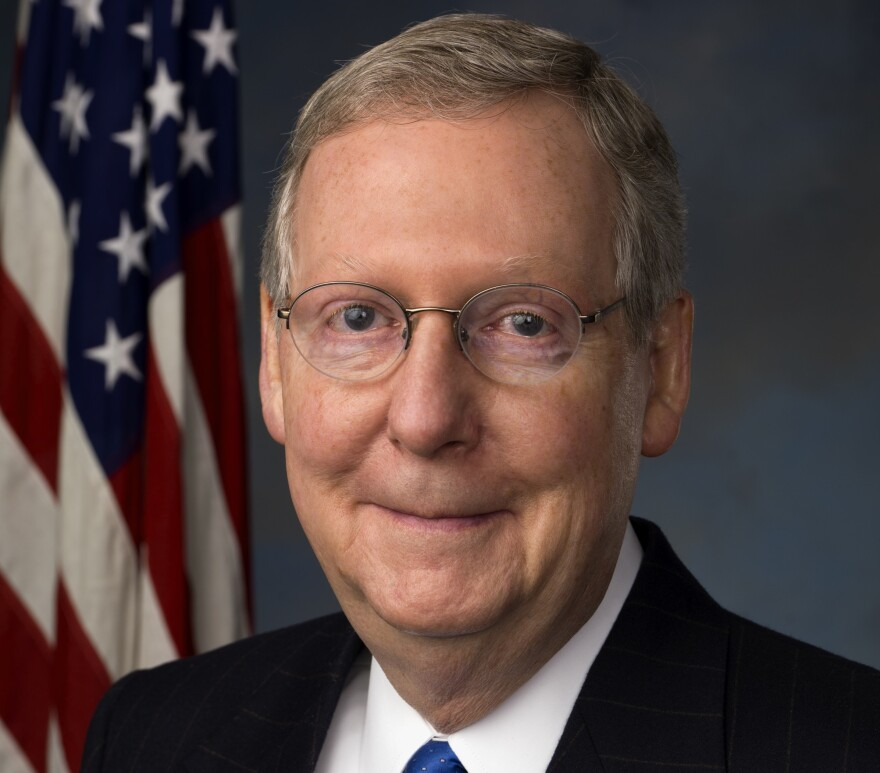
Across the political spectrum, there is empathy and respect for McConnell’s long career, even as people grapple with the challenges he now faces. In a nation that has seen its senior leaders navigate both policy and personal health struggles, McConnell’s journey underscores how age and wellbeing become increasingly central to public life — not just for those who lead, but for the communities they represent.