

Nikki Haley Faces Bitter Disappointment After Ending White House Bid
In early March 2024, Nikki Haley — former governor of South Carolina and U.S. ambassador to the United Nations — made the difficult decision to suspend her bid for the Republican presidential nomination after a disappointing series of results on Super Tuesday.
Despite months of energetic campaigning and positioning herself as a leading alternative to Donald Trump, Haley’s campaign struggled to gain sustained traction, ultimately leaving her without a viable path to the nomination.
Haley’s announcement came amid a wave of emotion and reflection for the former governor. Speaking to supporters in Charleston, South Carolina, she acknowledged the deep disappointment of falling short of her goals, but emphasized that her decision was rooted in a desire to preserve unity and focus on issues she believes are vital for the country’s future. Her voice carried both resolve and sorrow as she stepped back from a race she had entered with high hopes.
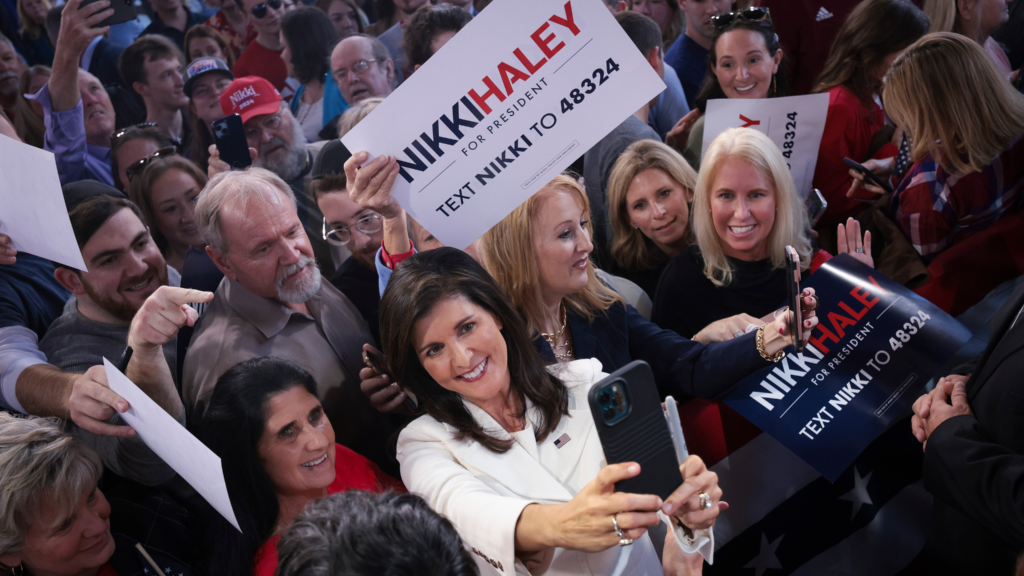
The end of Haley’s campaign marked a poignant moment for many of her supporters, especially those who saw in her a bridge between traditional conservative values and a future-focused Republican Party. Her efforts to appeal to moderates and independents underscored a commitment to inclusive leadership — a goal many in her circle felt had been overshadowed by the polarized dynamics of modern political contests.
In her speech, Haley spoke candidly about the emotional toll of campaigning and the weight of expectations — both her own and those of her backers. She urged her supporters not to see withdrawal as defeat, but as part of a larger journey in public service and advocacy. Though her presidential run did not end in victory, her presence in the race shaped national conversations and highlighted alternative perspectives within her party.
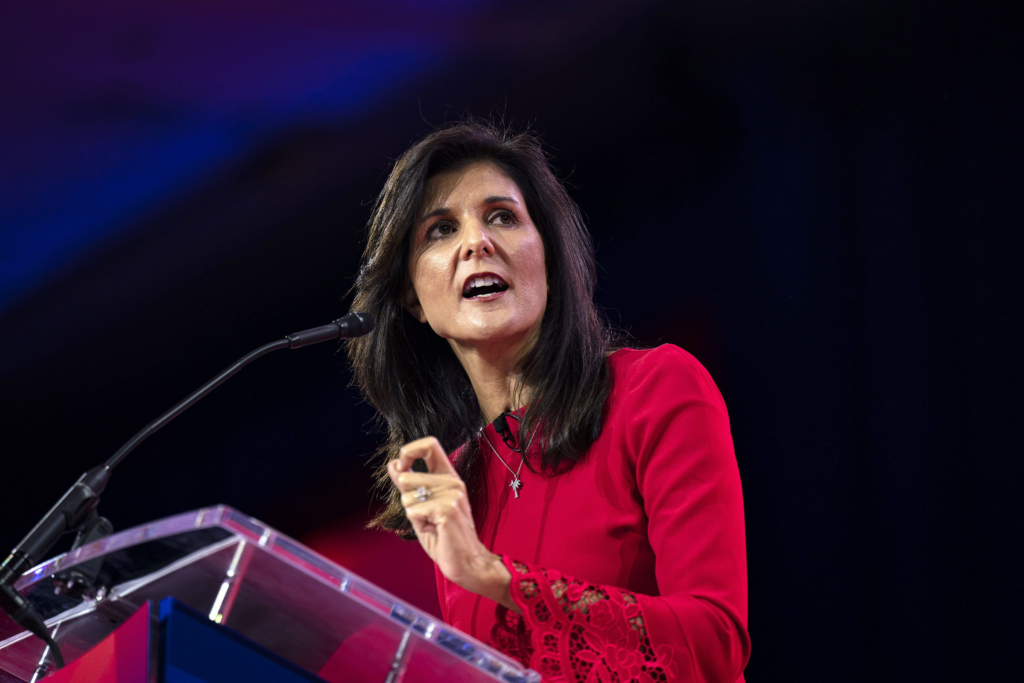
The broader reaction to Haley’s announcement was a mix of sympathy and respect. Across political lines, commentators noted her resilience and refusal to abandon her principles even in the face of overwhelming odds. For many who followed her campaign, the moment served as a reminder that public life — and especially national leadership contests — involves not just policy debates but deeply personal sacrifices.