
Donald Trump’s Health Sparks Online Debate After Viral Photo, White House Responds
Public interest in the health of U.S. presidents has always been intense, and President Donald Trump is no exception. In recent weeks, a single photograph taken during Trump’s appearance at a high-profile UFC sporting event reignited online discussions about his physical condition.
The image spread rapidly across social media, prompting speculation that reminded many Americans of earlier eras when presidential health was closely watched—but discussed far more quietly.
Health-related questions have followed Trump since his first term, often amplified by political rivalry and the modern culture of instant online analysis. Now, as Trump serves his second term and becomes the oldest individual to begin a second presidency, attention has again turned toward how age and leadership intersect. For many Americans over 60, this discussion feels personal, familiar, and rooted in long-standing debates about experience, stamina, and capability.
According to the official medical report released by the White House physician in April, President Trump’s health was described as stable and strong for his age. The report listed his height at 75 inches and weight at 224 pounds, with normal results for heart, lung, neurological, vision, and hearing exams. It also noted routine preventive procedures, successful past eye surgery, and standard medications related to cholesterol and preventive care. The physician emphasized Trump’s active schedule as a positive factor in his overall well-being.
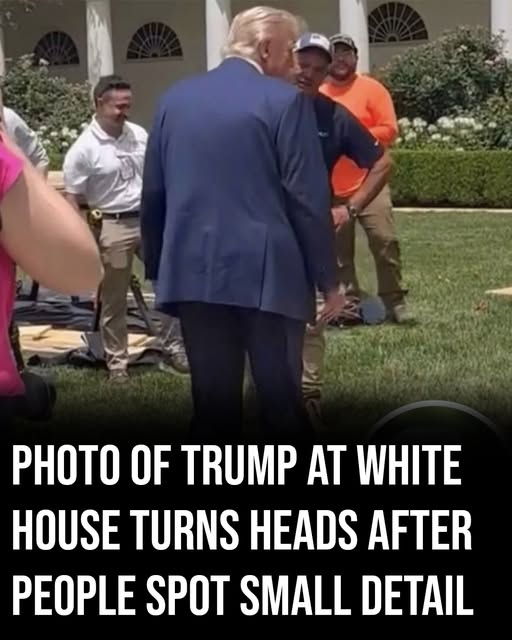
The recent speculation stemmed from a viral photograph showing Trump standing ringside at the UFC event, where a championship belt was briefly placed around his waist. Some social media users claimed to see unusual outlines beneath his clothing and offered unverified interpretations. Others quickly pushed back, pointing out that lighting, posture, tailoring, and fabric folds can easily distort appearances in photographs. Medical professionals widely caution that diagnosing anyone based on a single image is unreliable and misleading.
Fact-checking organization Snopes reviewed the claims and contacted the White House, which firmly dismissed the rumors as unfounded. Officials reiterated that Trump had undergone thorough medical evaluations and urged the public to rely on verified medical information rather than online speculation. While curiosity about leaders’ health is nothing new, history shows that rumors fade, while documented facts endure. For many readers, especially those with life experience and perspective, the takeaway is clear: confirmed medical reports—not viral images—remain the most reliable source of truth, allowing the public to stay informed with confidence and peace of mind.