
Controversial Strategy to Boost Melania’s New Film as Online Critics Mock Empty Theaters
Former First Lady Melania Trump is set to release her new documentary, Melania, on January 30, a film intended to offer a personal look at her life, responsibilities, and experiences in the public eye. The project has attracted significant attention due to its high-profile subject and reported $40 million distribution deal with Amazon.
While supporters anticipated strong interest, early indicators suggest public response may be more muted than expected.
According to Melania Trump, the documentary was designed to show her daily life and the realities of being First Lady—an aspect she believes has often been misunderstood. Filming reportedly began months before release and focuses on her personal reflections, official duties, and behind-the-scenes moments. Former President Donald Trump actively promoted the film, calling it a “must watch” and encouraging supporters to buy tickets ahead of the premiere.
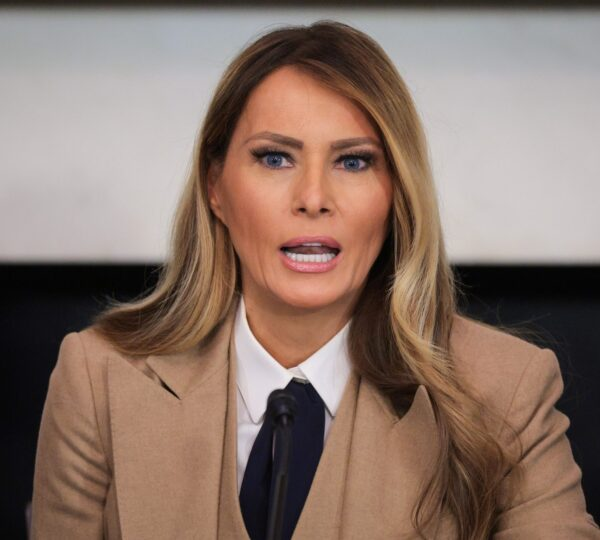
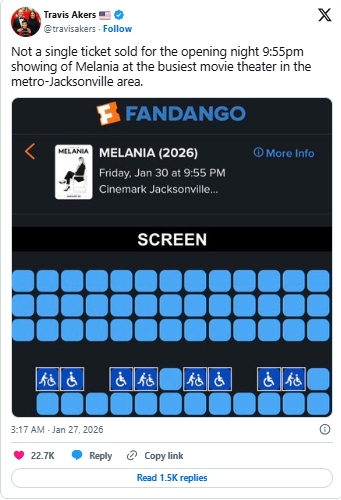
Despite this promotion, reports from multiple theaters indicate low advance ticket sales, with some screenings showing few or no reservations. Online discussion has highlighted the contrast between promotional claims and actual attendance. Journalists have reported that some Republican groups purchased tickets in bulk to prevent empty theaters, though these efforts appear to be driven more by image than organic demand.
Melania Trump has responded by emphasizing the personal importance of the project rather than its commercial performance. She hosted a private screening and described the film as a meaningful milestone, focusing on storytelling and legacy rather than box office results. Industry analysts note that documentaries centered on political figures often face uneven public interest, particularly in theatrical releases.
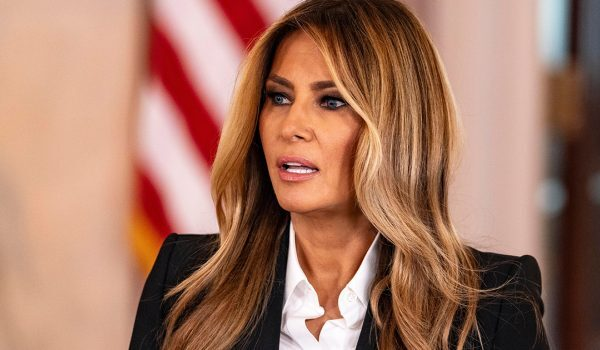
As Melania officially debuts, its long-term impact will likely be measured through broader audience engagement, streaming viewership, and public discussion rather than early ticket sales alone. Regardless of commercial outcome, the documentary adds to the historical record of a former First Lady sharing her story in her own voice.
For viewers, it offers an opportunity to better understand a highly visible yet often private public figure—allowing audiences to decide its value for themselves with full information in hand.