
California Governor Gavin Newsom Reflects on Painful Personal Loss
California Governor Gavin Newsom recently opened up about one of the most heartbreaking experiences of his life — the loss of his mother, Tessa Menzies, following her choice of medically assisted death after a long and aggressive battle with metastatic breast cancer.
In candid remarks made ahead of his memoir’s release, Newsom described the experience of being with his mother in her final moments as deeply painful and emotionally overwhelming, saying the memory of sitting with her until her last breath was “horrible” even as he acknowledged it was done out of compassion.
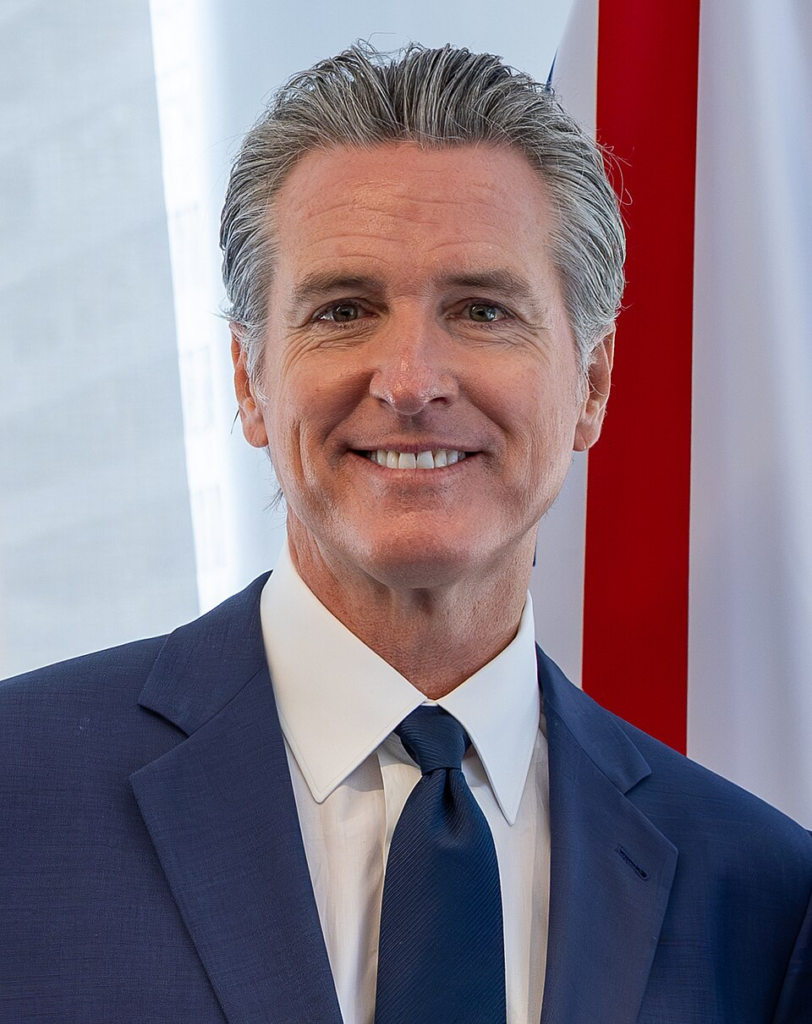
Newsom’s reflections on his mother’s passing reveal the profound personal cost of caregiving and loss — a side of public life that rarely makes headlines but resonates with many who have faced similar circumstances. His candid admission that the experience was traumatic underscores how even those in positions of power must navigate the universal reality of grief, love, and the difficult choices families make when confronting terminal illness.
Known widely for his political leadership and policy work as governor, Newsom seldom talks about his personal life in depth. But in discussing his mother’s death, he chose to confront openly the emotional complexity that comes with watching a loved one suffer — and the bittersweet mixture of sorrow and relief that can accompany the decision to allow someone to die with dignity rather than prolonged pain.
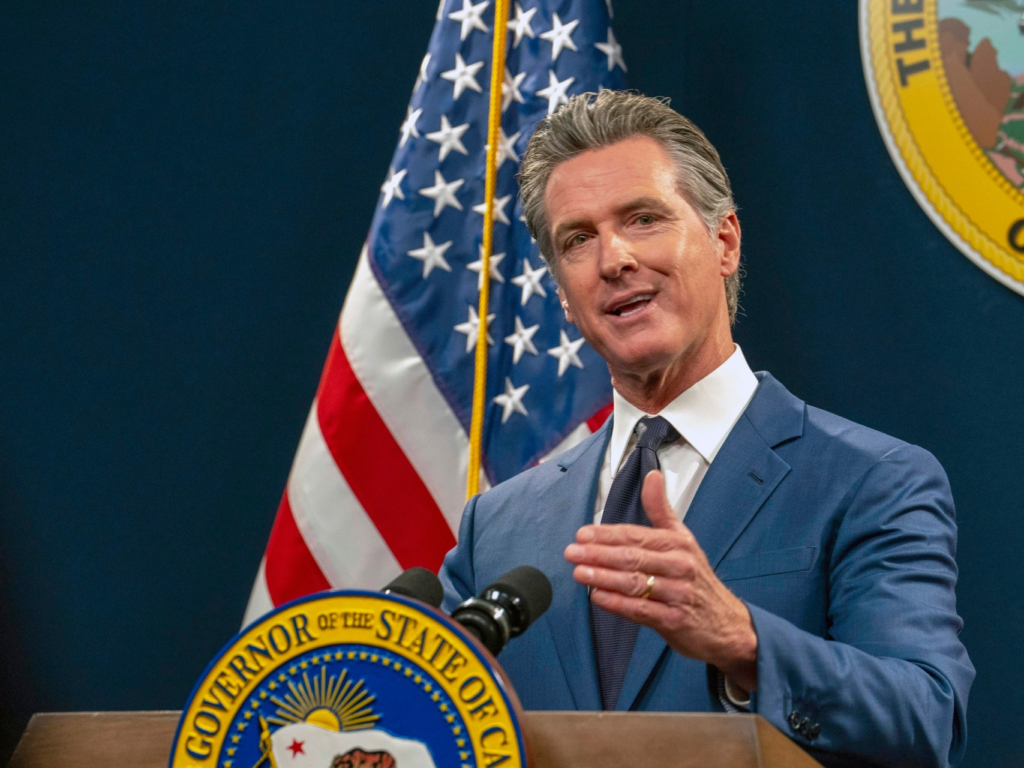
The discussion of his mother’s euthanasia also highlights the broader ethical and emotional debates surrounding end-of-life care. California allows physician-assisted death, and Newsom — who signed law to streamline approval and access — has said he supports such laws while also acknowledging how personally difficult it was to be present for the final moments of someone he loved deeply.
For many, Newsom’s openness about this painful chapter reflects a meaningful reminder that public figures — despite the spotlight and policy battles — experience the same human challenges of sorrow and caregiving that affect families everywhere. The compassion with which he spoke about his loss has drawn empathy from across the political spectrum, underscoring that loss and grief are experiences that transcend politics and touch us all.