

Barack Obama Responds to Donald Trump Following Controversy Over Offensive Online Video
In early February 2026, a major controversy erupted after Donald Trump shared a video on his official Truth Social account that included a brief segment depicting Barack Obama and Michelle Obama with their faces superimposed onto animated ape bodies.
Although the broader video focused on disputed claims surrounding the 2020 election, that short clip drew immediate backlash for invoking a racist trope historically used to dehumanize Black individuals. The video remained online for roughly 12 hours before it was removed by the White House amid mounting criticism.
Reaction was swift and bipartisan. Civil rights groups, journalists, and public officials condemned the imagery as offensive and harmful. Republican Senator Tim Scott publicly criticized the post, calling it deeply inappropriate, while California Governor Gavin Newsom described it as disgraceful and urged leaders from both parties to denounce it. Despite the backlash, White House Press Secretary Karoline Leavitt initially dismissed the reaction as exaggerated, suggesting the clip was part of an internet meme. The administration later stated that a staff member had posted the video in error, though Trump himself did not issue an apology.
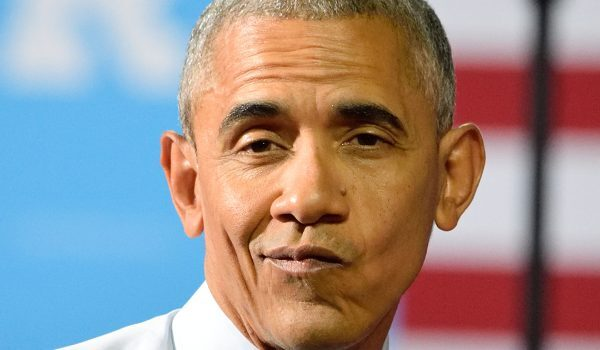
After several days of silence, Obama addressed the controversy during an interview with political commentator Brian Tyler Cohen. Rather than focusing solely on the personal nature of the imagery, Obama framed the incident as part of a broader decline in political decorum. He described the episode as “deeply troubling” and emphasized that many Americans still value decency, kindness, and mutual respect despite the increasingly combative tone of public discourse. His remarks resonated widely, shifting the conversation toward concerns about the overall state of American political culture.
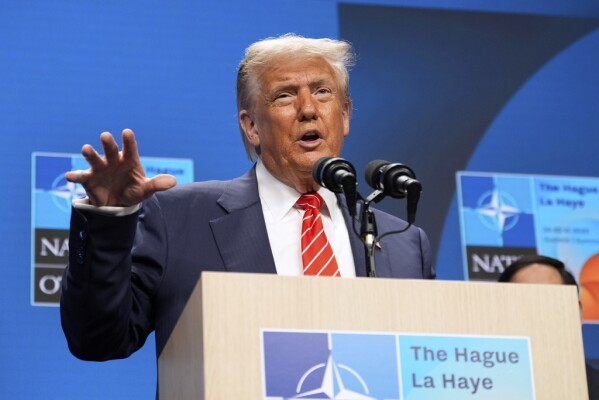
The controversy also reignited debate about the role of social media platforms in presidential communication. Sites like Truth Social allow leaders to speak directly to supporters without traditional filters, but critics argue that this immediacy can amplify inflammatory or harmful content. Analysts noted that racially charged imagery carries a painful historical context, which helps explain the intensity of the reaction. The bipartisan criticism suggested that many political figures believe there are boundaries in public discourse that should not be crossed.
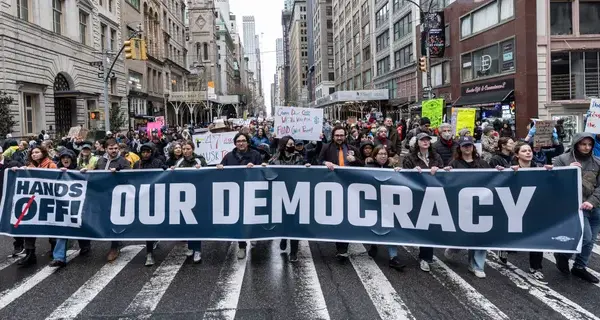
Ultimately, the episode became more than a single viral moment. It underscored ongoing tensions around race, digital media, and leadership standards in a polarized political climate. Obama’s response — measured but firm — highlighted concerns about eroding norms while expressing confidence that the American public will ultimately shape the nation’s direction through civic engagement. As debates over tone and responsibility continue, the incident stands as a stark reminder of how quickly one post can ignite a national reckoning over respect, values, and democratic culture.