Inside the Rust Incident: Key Responsibility Examined
The fatal shooting on the set of the Western film Rust remains one of the most heartbreaking incidents in modern film history. What was meant to be a routine rehearsal in October 2021 at Bonanza Creek Ranch in New Mexico instead resulted in the death of cinematographer Halyna Hutchins and the injury of director Joel Souza.
The tragedy shocked the entertainment world and raised urgent questions about safety, responsibility, and long-standing industry practices involving firearms on movie sets.
During preparations for a scene, actor and producer Alec Baldwin was handed a revolver that was described as “cold,” meaning it was believed to contain no live ammunition. When the gun discharged, a live round struck Hutchins and then wounded Souza. Emergency responders arrived quickly, but Hutchins, a respected and talented filmmaker, died shortly afterward. Her passing deeply affected colleagues worldwide and became a powerful symbol of preventable loss in the workplace.
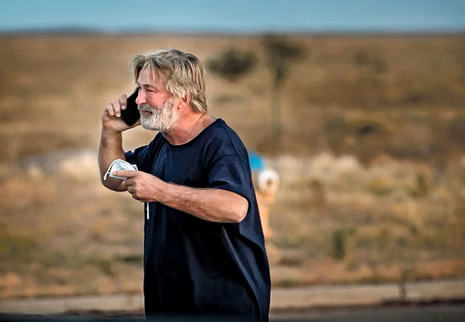
Investigations later revealed troubling safety concerns surrounding the production. Reports indicated prior accidental gun discharges, crew members walking off set due to safety and working condition complaints, and failures in established firearm protocols. Attention focused on the armorer and assistant director, whose responsibilities included weapon safety checks. These findings painted a picture of a production under pressure, where safeguards that should never fail did just that.

The legal aftermath unfolded over several years. Charges against Alec Baldwin were ultimately dismissed in 2024 due to prosecutorial errors, bringing an end to the criminal case against him. In contrast, the film’s armorer was convicted of involuntary manslaughter, and the assistant director accepted a plea deal. Civil lawsuits brought by Hutchins’ family were settled, ensuring financial support for her husband and young son while acknowledging the profound harm caused.

The Rust tragedy forced Hollywood to confront difficult truths and sparked meaningful change. Many productions have since moved away from real firearms, strengthened safety rules, and placed greater value on crew well-being. While no reform can undo the loss of Halyna Hutchins, her legacy has led to safer practices and greater accountability across the industry.
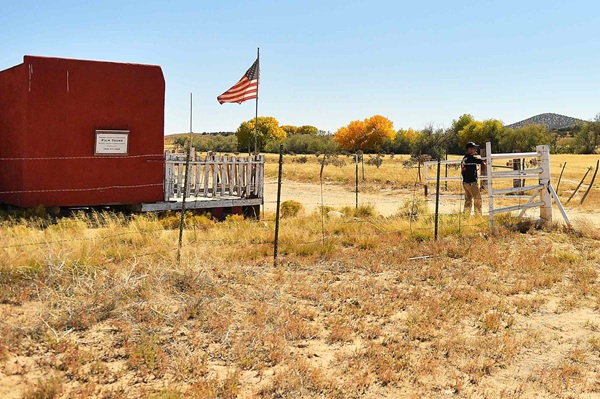
Today, the story stands not only as a warning, but also as reassurance that lessons were learned—ensuring audiences leave informed, reflective, and confident that meaningful steps have been taken to protect lives behind the camera.