
‘He’ll Have to Go’ Became a Chart-Topping Hit in 1960
In 1960, Jim Reeves released a song that would quietly reshape American music. Titled “He’ll Have to Go,” the ballad stood apart from other hits of its era.
It didn’t rely on loud arrangements or dramatic theatrics. Instead, its power came from simplicity, emotional restraint, and sincerity. The song resonated deeply with listeners across generations and soon became more than a chart success—it became a timeless classic that bridged country and popular music.
At a time when country music was often viewed as regional or traditional, “He’ll Have to Go” crossed musical boundaries with ease. It appealed not only to country fans but also to pop audiences who had never connected with the genre before. Jim Reeves’ smooth, warm baritone was key to that crossover success. Rather than force emotion, he delivered each line gently, allowing listeners to feel the vulnerability behind the words. His understated style gave the song an elegance that still feels relevant more than sixty years later.
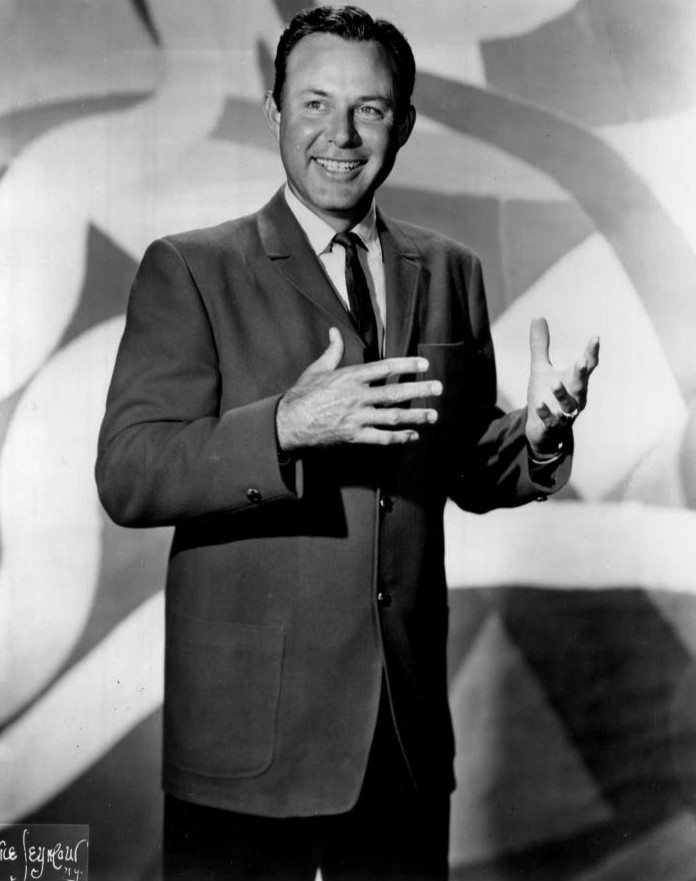
The song itself was inspired by a real-life moment, written by husband-and-wife team Joe and Audrey Allison after Joe overheard one side of a heartfelt telephone conversation. That intimate exchange became the song’s famous opening line, drawing listeners into a private emotional moment. Produced by Chet Atkins, the recording reflected the emerging Nashville Sound, using soft instrumentation and polished production to highlight Reeves’ voice. The result was a performance that felt personal, honest, and deeply human.
“He’ll Have to Go” quickly reached number one on the country charts and climbed to number two on the pop charts, a rare achievement at the time. Its success helped establish Jim Reeves as an international star and introduced country music to audiences around the world. Even after Reeves’ tragic death in 1964 at just 40 years old, the song continued to grow in stature. Artists like Elvis Presley later recorded their own versions, yet Reeves’ original remained the definitive interpretation.
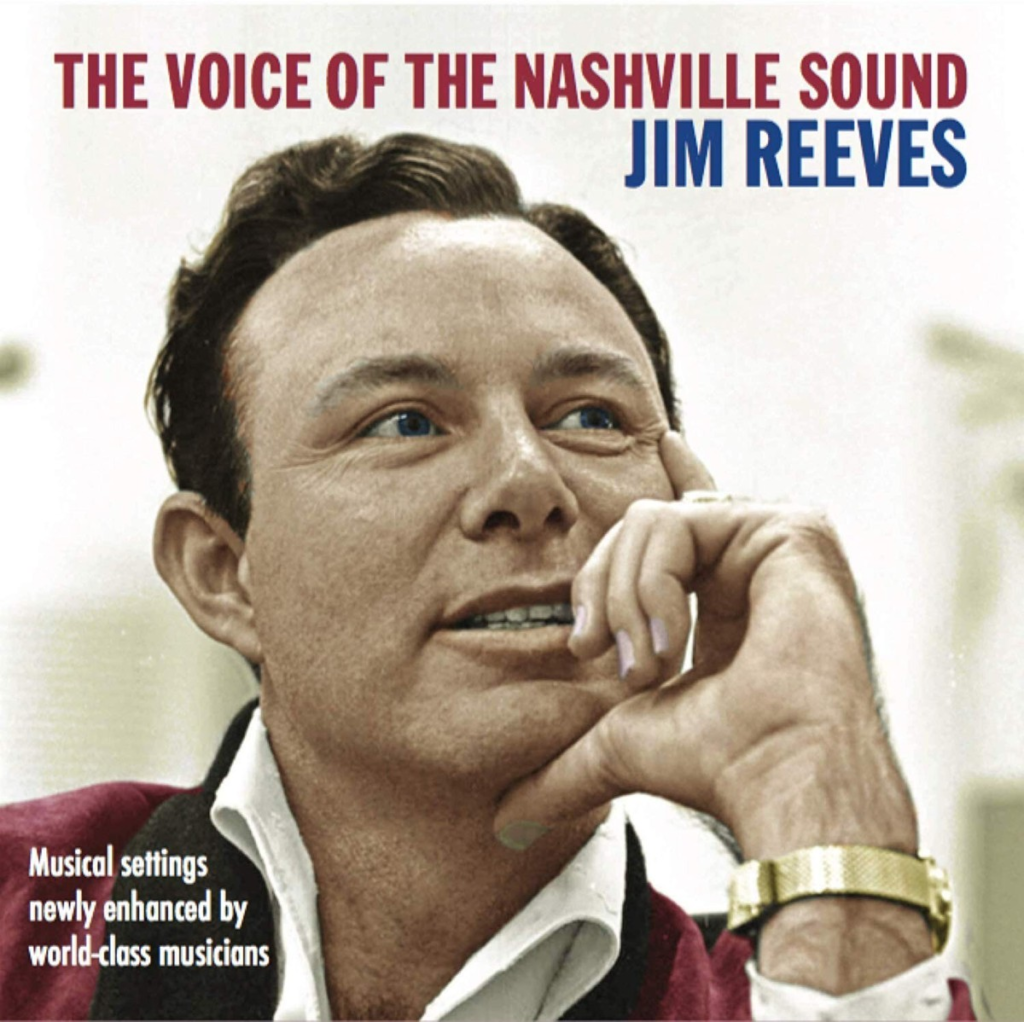
Today, “He’ll Have to Go” endures because it speaks to universal emotions—love, uncertainty, and the quiet moments when hearts are laid bare. For many listeners, it evokes memories of earlier times while still feeling emotionally relevant. Jim Reeves’ legacy lives on through this song, reminding us that true artistry doesn’t fade with time. His music continues to offer comfort, grace, and a sense of completeness—proof that sometimes the softest voice leaves the strongest impression.