

U.S. House, Led by Republicans, Approves Major Legislation in Close Vote
The U.S. House of Representatives narrowly passed a highly controversial bill that would criminalize gender-affirming medical treatments for minors, approving it by a vote of 216–211.
The legislation reflects deep partisan divisions, with Republicans largely supporting the measure as a way to “protect children,” while Democrats and civil rights groups denounced it as an unprecedented intrusion into family autonomy and medical decision-making.
If enacted, the bill would make providing gender-affirming care to minors—including hormone therapy and certain medical procedures—a federal crime, punishable by up to ten years in prison. Critics warn that the law could expose parents, guardians, and healthcare providers to criminal investigations, undermining medical confidentiality and restricting access to care that major medical organizations consider evidence-based and, in some cases, lifesaving.

The bill was championed by Representative Marjorie Taylor Greene and backed by the ultraconservative wing of the Republican Party. Greene framed the measure as a fulfillment of former President Donald Trump’s campaign promises, portraying gender-affirming care as dangerous and irreversible. Democrats countered that such rhetoric misrepresents medical realities, noting that these treatments for minors are rare, carefully regulated, and guided by specialists and parental consent.
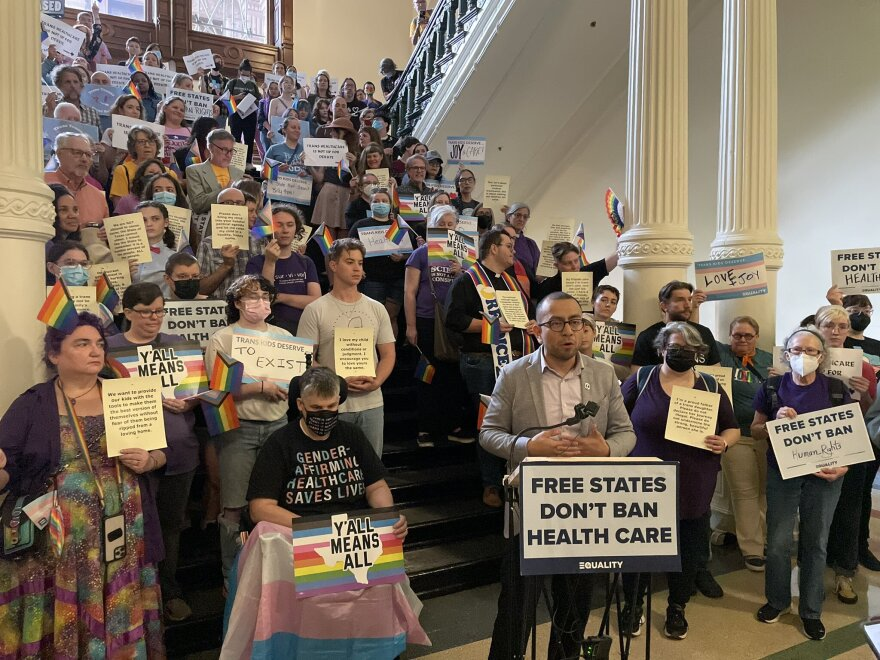
While the vote followed party lines overall, there were notable exceptions. Three Democrats supported the bill, while four Republicans voted against it, highlighting internal divisions and the political complexity of the issue. Opponents emphasized that the legislation could infringe on parental rights, force families to delay or abandon medically recommended care, and worsen mental-health risks for transgender youth.

The bill now faces an uncertain future in the Senate, where bipartisan support would be required for passage. Regardless of its ultimate fate, the House vote has intensified national debate over government involvement in personal healthcare decisions, the role of medical expertise in policymaking, and the broader cultural conflict surrounding transgender rights. The issue is likely to remain a defining flashpoint in American politics and public discourse.